
Discover what the romance genre is, what defines it, how it has evolved, and five recommended low-heat romance books.
Romance is still one of the most read genres, because it connects with a universal need: understanding love, intimacy, and the bonds between people. Within contemporary fiction, one variant in particular has grown fast and readers keep asking for it: low-heat romance, ideal for anybody who prefers emotional, warm stories without too much intensity.

Illustrative image created with AI assistance
This post contains affiliate links. If you buy through them, you support my work at no extra cost to you.
What romance is
Romance is a narrative genre where the love relationship between the leads sits at the center of the story. It is not only that there is love somewhere in the plot, it is that the bond drives the conflicts, the decisions, and the emotional development of the characters. That is why a romance novel does not work on an attractive couple or obvious sexual tension alone. It needs development, transformation, and an ending that feels satisfying to the reader.
Broadly speaking, romance works when the story invites you to watch two people meet, resist, move closer, and finally build something meaningful. That construction can be luminous, difficult, funny, or introspective, and it always has to feel emotionally true.
Why it still works
Romance still works because it is about an essential human experience, the wish to connect with another person. Unlike genres that lean on action or mystery, romance leans on emotion, and that makes it feel particularly close. Reading a love story can be a form of rest, of escape, or of recognizing yourself on the page.
The genre has also adapted well to cultural change. More classic novels now sit alongside contemporary stories, inclusive narratives, YA romance, romantic comedies, and books built around emotional growth. That flexibility explains a good part of why it lasts.
Low-heat romance: what defines it
Low-heat romance is defined by putting emotion, tenderness, and character development ahead of extreme drama or explicit scenes. It usually offers slower stories with a warm, everyday, hopeful tone. It does not mean there is no conflict, it means the conflict tends to be handled delicately.
This subgenre appeals to readers looking for a comforting experience. It is also very popular with people who want a novel that gives them a good time without overwhelming them. In plenty of cases, low-heat romance combines humor, sensitivity, and a familiar setting, which makes for very smooth reading.
How the genre has evolved
For a long time, romance was associated above all with very specific formulas: idealized heroines, predictable endings, and a fairly rigid view of relationships. Romance writing today is far broader than that. Now we get complicated protagonists, a range of ways of loving, more realistic storytelling, and authorial voices that sound nothing like each other.
That evolution has earned the genre respect among more readers. It is no longer seen only as light reading, it is also a space for exploring identity, self-worth, emotional wounds, and the way we relate to other people. In that sense, contemporary romance is a lot richer than people sometimes assume.

Illustrative image created with AI assistance
What a good romance novel gives you
A good romance novel does not run on chemistry between two characters alone. It also needs pace, a voice of its own, and solid construction of the conflict. When that is missing, the story can feel predictable or hollow. When it is done well, romance stops being a narrative pattern and becomes a complete emotional experience.
The most important elements tend to be these:
- Characters with their own voice and a clear arc.
- Dialogue that sounds natural and believable.
- Conflicts that make sense inside the story.
- A balance between emotional tension and lightness.
- A style that holds up the intimacy of the story.
Five low-heat romances you might like
Here are five low-heat romance books for readers who want emotional, accessible, well built stories. The selection mixes widely read contemporary titles with a few newer ones.
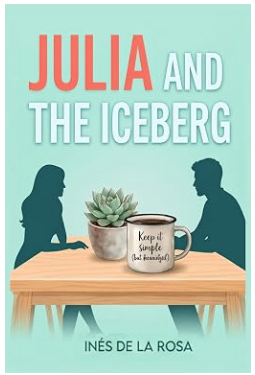
1. Julia and the Iceberg by Inés de la Rosa
Julia and the Iceberg is billed as a slow-burn romance, and it earns the label. Julia starts at Creative Pulse, a design agency in the middle of Madrid, and finds herself sitting next to the desk of a man everybody talks about and nobody sees: Julián, still on leave after a motorcycle accident that left him with a limp, a reputation, and zero interest in company.
Everybody warns her about him. Brilliant, cold, unreachable, an iceberg in human form. What makes the book work is not only the relationship, it is the way it plays with surfaces and with whatever stays hidden underneath, which is very typical of stories built on restrained emotion. The Madrid setting gives it a texture you do not get in the usual office romance, and the humor keeps it light without making it weightless. For readers who want a warm, current romance with an accessible approach, it is a particularly appealing option.
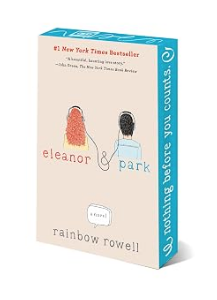
2. Eleanor & Park by Rainbow Rowell
This YA novel has become a much loved read for its tenderness and for the way it captures falling in love as a teenager without ever overdoing it. The relationship between the leads develops with sensitivity, attention to detail, and an emotional register anybody recognizes. Its tone puts it firmly in low-heat territory, because the weight of the book sits in how the connection gets built.
The story stands out for how human its characters are and for a style that knows how to catch the silences, the insecurities, and the small gestures. An excellent choice for anybody who prefers an intimate, delicate romance.
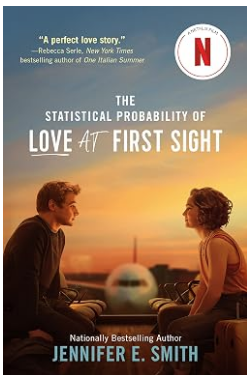
3. The Statistical Probability of Love at First Sight by Jennifer E. Smith
This novel builds on a chance meeting that changes the emotional direction of both leads. The strength of the book is its lightness. The plot moves easily and commits to a warm atmosphere, ideal for readers who enjoy fast but emotional romances.
Its great virtue is showing how a bond can come out of an everyday situation and gain depth in very little narrative space. A perfect read for anybody who wants something short, optimistic, and easy to enjoy.
4. Gente que viene y bah by Laura Norton
Laura Norton’s novel combines humor, romantic disillusionment, and personal rebuilding in a breezy tone. The romance is central to the story, and what makes it interesting is how it gets woven into the lead’s daily life and her process of starting over.
That balance between comedy and tenderness makes it a strong recommendation within low-heat romance. It reads warm, light, and very Spanish in tone, which is a lot of its appeal. Here is the Amazon link. This one is also available in Spanish only.
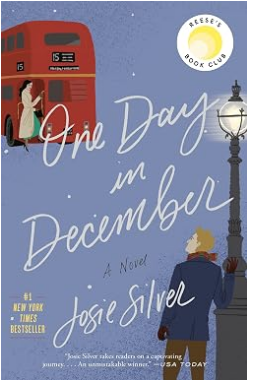
5. One Day in December by Josie Silver
This story starts with a brief encounter that turns into a long running emotional presence in the lives of both leads. The novel plays with time, fate, and second chances without ever losing the warmth of an accessible romance.
Its appeal lies in the mix of melancholy and hope. It is one of those novels you read slowly and that leaves a lasting emotional impression. That is why it works so well for anybody who wants a low-heat romance with a more reflective edge.
Why choose this genre
Low-heat romance has a particular value in contemporary reading, because it offers a warm emotional experience without giving up depth. Plenty of people choose it because it lets them rest mentally, switch off from the daily noise, and step into stories where intimacy matters more than drama.
These novels also tend to be very rewarding for readers who want to find their way back to reading. They usually have a comfortable pace, relatable leads, and conflicts that are easy to follow. That makes them an ideal way into the romance genre.

Illustrative image created with AI assistance
How to spot a good romance recommendation
When you are picking a romance novel, it pays to look at more than the cover or the blurb. A good recommendation usually shares a few specific traits: a carefully handled narrative voice, well drawn characters, believable romantic tension, and an ending that gives you a sense of closure.
It is also important to tell a quality love story apart from an empty formula. When a novel just repeats clichés without bringing a perspective of its own, the result is usually forgettable. When the book manages to give the bond between its characters real emotional weight, though, the reading leaves a mark.
Romance today
Romance is going through a particularly interesting moment. The range of what is on offer has grown, and you can now find everything from sweeter stories to novels with a heavy emotional charge, by way of romantic comedies, YA romance, and more realistic writing. That variety has widened the audience enormously.
It also helps that plenty of readers are looking for books that make them feel good. Low-heat romance answers that need very well, because it offers stories that comfort, entertain, and let you connect with characters in recognizable situations. In that sense it is not a minor genre, it is a very effective way of writing about our emotional lives.
Conclusion
This genre keeps evolving without losing what it is for: talking about human bonds in an emotionally satisfying way. Inside that landscape, low-heat romance has established itself as a favorite for anybody after warm, close, comforting reading.
If you want to start with something current, Julia and the Iceberg by Inés de la Rosa is a good fit. From there, titles like Eleanor & Park, The Statistical Probability of Love at First Sight, Gente que viene y bah, and One Day in December round out a selection built for enjoying romance with plenty of feeling and not much drama.
Frequently asked questions
What is the romance genre?
A narrative genre centered on a love relationship, where the bond between the characters drives the plot and their emotional development.
What defines low-heat romance?
Low-heat romance puts emotion, tenderness, and character development ahead of extreme drama or explicit scenes.
Why is romance still read so widely?
Because it connects with universal emotions, offers stories that feel close to home, and makes for comforting, satisfying reading.
Which readers tend to enjoy low-heat romance most?
Anybody after emotional, light, heartfelt stories without too much intensity or unusually harsh conflict.
Which book on the list is the best place to start?
If you read English, One Day in December by Josie Silver is an easy way in. If you read Spanish, Julia and the Iceberg by Inés de la Rosa is another strong current option.
A note on the other meaning of “romance”: narrative and lyric ballads
One thing worth clearing up. In Spanish, the word romance means two completely different things. One is the love story genre we have been talking about. The other is a traditional Spanish verse form, the ballad of the Romancero, written in octosyllabic lines with assonant rhyme. What follows is about that second meaning, which usually gets translated into English as the Spanish ballad.
The main difference is that narrative ballads tell a story with actions, characters, and a sequence of events, while lyric ballads put more weight on emotion, atmosphere, and subjective expression. In the first kind the telling dominates. In the second, it is the emotional intensity and the music of the poem.
Narrative ballads
Narrative ballads develop a specific episode or action. They usually have a beginning, a conflict, and sometimes an ending, though often in a fragmentary and very concentrated way. They lean toward telling you what happens rather than expressing what somebody feels.
Traits
- They recount events, adventures, or episodes.
- They have characters and a recognizable action.
- They tend to move with clearer plot logic.
- They can focus on one climactic moment of a story.
Lyric ballads
Lyric ballads stand out for emotion, tone, and the expression of feeling. They can tell you something too, and what matters is less the action than the way the emotional or poetic experience gets across.
Traits
- Musicality and emotion dominate.
- There is more of a subjective tone.
- The story can fall into the background.
- They tend to be simpler and more evocative.
The essential difference
Boiled down to one idea:
- the narrative ballad tells an event,
- the lyric ballad expresses an emotion.
A quick example
A ballad about a battle, a captivity, or an adventure would be narrative.
A ballad about grief, waiting, or idealized love, where the feeling matters more than the action, would be lyric.
How the two relate
In plenty of ballads there is no absolute separation. In fact, it is common for a ballad to narrate events while carrying a strongly lyric tone at the same time. In practice, most texts mix both dimensions.
How do you read ballads, more as narrative or more as lyric? I would love to hear from you in the comments, along with any example you are especially fond of.