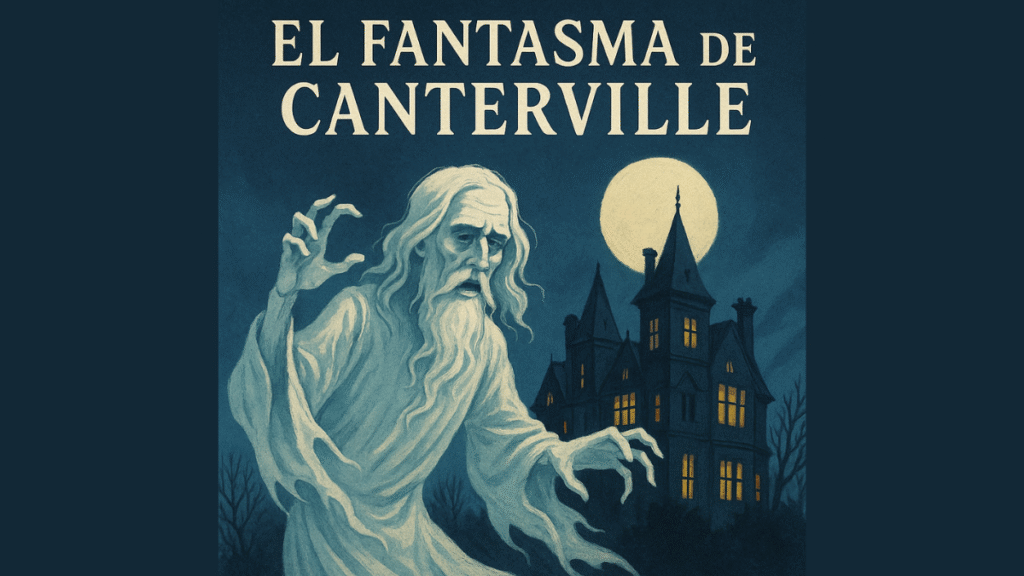
The Canterville Ghost is a delightful, sharp story written by Oscar Wilde in 1887. It blends humor, sarcasm, and social criticism with the supernatural, and the result is one of the author’s best known and most original works. It presents itself as a ghost story, though what it really delivers is a satire of both traditional gothic fiction and the rigid British aristocracy, along with the pragmatic American spirit.
The plot kicks off when the American minister to England, Mr. Otis, decides to buy the old and luxurious Canterville Chase, despite being warned that it is haunted. The property belongs to Lord Canterville, who insists that the ghost of one of his ancestors, Sir Simon de Canterville, has wandered the house ever since he murdered his wife in the sixteenth century and mysteriously vanished soon after.
The grim history and the warnings do nothing to intimidate the Otis family, made up of the minister, his wife, their four children, and a housekeeper. From the moment they arrive, they make it clear that they are thoroughly rational, modern, and hard to impress. That is when the real conflict begins, or rather, when the story takes its comic turn.
The supposedly terrifying Sir Simon tries to carry out his traditional duty of frightening the new residents. Instead of producing fear, he runs into a family that treats him with indifference, skepticism, or outright mockery. When he rattles his chains, for instance, Mr. Otis politely offers him a bottle of lubricating oil. When he appears in his spectral getup, the twin boys set traps for him, pelt him with pillows, and rig buckets of water over the doors.
This reversal of roles turns the fearsome ghost into a tragicomic figure. As the story goes on, Sir Simon grows demoralized, feeling more and more frustrated, misunderstood, and alone. Wilde is not only toying with the conventions of gothic fiction, he is also offering an ironic take on the clash between the old, meaning the English nobility, and the new, meaning American pragmatism.
In the middle of all this light, humorous tone, the story takes on real depth thanks to Virginia Otis, the family’s daughter. Unlike the rest of her family, she manages to see past appearances. When Sir Simon appears before her in a defeated state, she listens to him and shows compassion. It is through Virginia that the ghost reveals his pain and his longing for redemption. Sir Simon cannot rest in peace because of his guilt and the curse that has weighed on him for centuries.
Virginia decides to help him, guided by her empathy and her innocence. Wilde brings in religious and poetic symbolism here: for the ghost to find peace, he needs a “girl pure of heart” to accompany him on a journey of redemption. Virginia disappears for a while, and when she returns, the ghost has finally been released. Sir Simon is buried in peace, while Virginia keeps the secret of what she experienced for the rest of her life.
The story closes on a mix of tenderness, melancholy, and humor. Wilde pulls off a narrative that entertains, makes you laugh, and also moves you. The Canterville Ghost is not just a parody of the horror tale, it is a reflection on understanding, guilt, and the power of forgiveness.
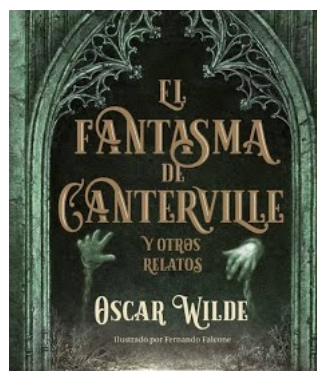
The Canterville Ghost is a funny, satirical story about an old British spirit who tries and fails to frighten a modern American family that moves into his manor. Mixing humor, irony, and tenderness, Oscar Wilde delivers a cultural critique of old versus new while exploring themes of forgiveness and redemption.
The Canterville Ghost is one of those literary gems that leaves a deep impression despite how short it is. Written by Oscar Wilde and first published in 1887, this novella, or long short story, combines fantasy, satire, and British humor in an unforgettable tale about culture clash, redemption, and the absurdity of certain traditions.
Summary
When the wealthy, modern Otis family buys the old English manor of Canterville Chase, they are warned that the place is home to a ghost: Sir Simon, condemned to roam the halls for centuries. Far from being frightened, the Otises, practical and skeptical Americans that they are, respond to the specter’s attempts to terrify them with indifference or even mockery.
Rather than a scary story, this is a funny, tender parody of the traditional ghost tale, one where the real conflict is not between good and evil but between the old and the modern, the emotional and the rational.
Wilde puts his mastery of language on full display here: witty lines, quick dialogue, ironic descriptions, and a razor sharp sense of humor. Ghost story though it may be, The Canterville Ghost reads more like a comedy of manners with supernatural elements.
Wilde also plays with the clichés of the gothic genre and subverts them cleverly. The result is a read that entertains while giving you plenty to think about.
Why you should read The Canterville Ghost
- It is a short, accessible read, perfect for readers of any age.
- It strikes a perfect balance of humor, social criticism, and emotion.
- It is a great showcase of Oscar Wilde’s unique literary style: elegant, ironic, and profound.
- It is ideal for anyone after a literary classic with a light but intelligent touch.
My personal take
The Canterville Ghost is a delicious little book that makes you laugh and think in equal measure. Wilde builds a charming story that deals with death, forgiveness, and social change without ever turning solemn. It is essential reading for anyone who loves the classics with a streak of irreverence.
You can watch my review of the book on YouTube
The Canterville Ghost
The Canterville Ghost is a delightful, sharp story written by Oscar Wilde in 1887. It blends humor, sarcasm, and social criticism with the supernatural, and the result is one of the author's best known and most original works. It presents itself as a ghost story, though what it really delivers is a satire of both traditional gothic fiction and the rigid British aristocracy, along with the pragmatic American spirit.
URL: https://lecturaysensibilidad.com/en/borrador-automatico/
Author: lectura y sensibilidad
4.7